
Brumadinho: Memorial turns one year old and reignites debate on impunity
One year after its inauguration, Memorial Brumadinho preserves the memory of the victims, but questions about Vale's responsibility and oversight remain. Environmental crime remains without effective punishment.
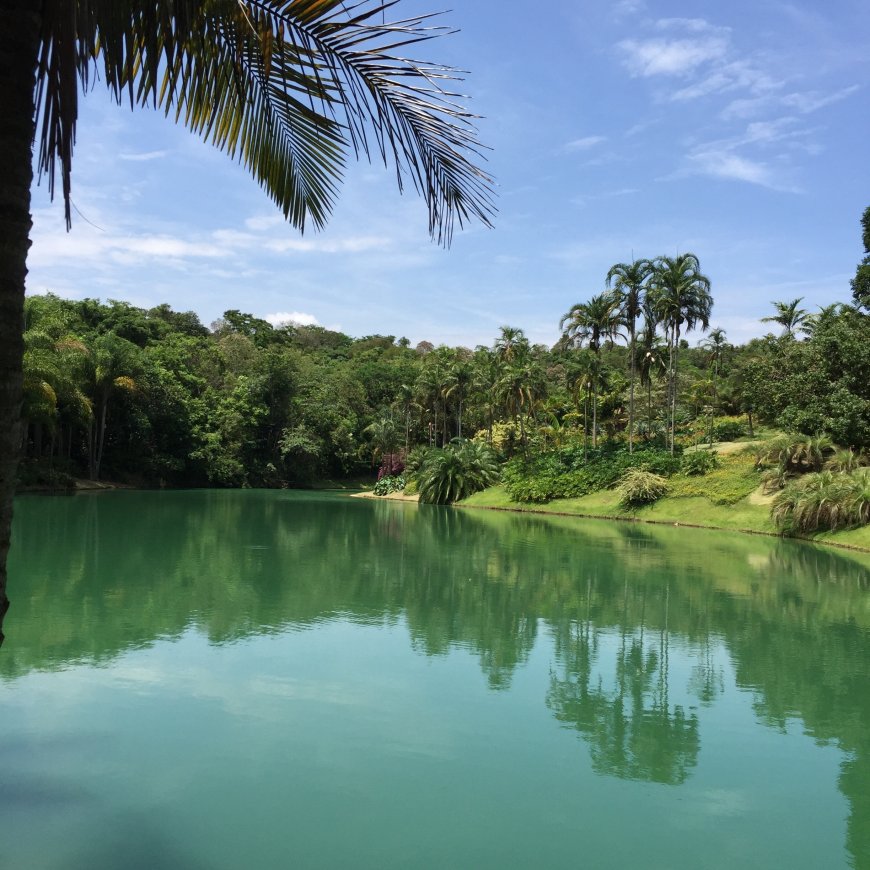
Brumadinho Memorial: Between memory and the search for justice
The Brumadinho Memorial, opened a year ago, remains a space of remembrance and tribute to the victims of the tragedy that devastated the city of Minas Gerais in 2019. The site, which preserves mortal remains and personal objects found in the rubble, reignites the debate about Vale's responsibility and the lack of punishment for the crimes committed.
The tragedy of Brumadinho, which occurred on January 25, 2019, resulted in the deaths of 270 people and an environmental disaster of devastating proportions. The avalanche of mud and mining waste buried communities, destroyed the Paraopeba River and impacted the lives of thousands of people, generating consequences that last to this day. According to the Brazilian Mining Institute (Ibram), Brazil has recorded other disasters with tailings dams, such as the one in Mariana, in 2015, highlighting the fragility of inspection and the need for more effective preventive measures.
The memorial, located close to the site of the tragedy, seeks to honor the memory of the victims and provide a space for reflection on the impacts of mining and the importance of safety in industrial activities. However, the lack of punishment for those responsible for the tragedy generates indignation and frustration among the victims' families and the local population. According to a Datafolha survey, 86% of Brazilians believe that impunity is a serious problem in the country, especially in cases of environmental and corporate crimes.
"The memorial is important so that we never forget what happened and for justice to be done", says Maria Silva, a family member of one of the victims, in an interview with Folha de S.Paulo.
The slowness of the judicial process and the complexity of the investigations make it difficult to hold those responsible accountable. While Vale has signed compensation agreements with some families, the company still faces lawsuits and criticism for its lack of transparency and non-compliance with environmental remediation measures. The National Mining Agency (ANM), responsible for supervising dams, is also the target of questions for its actions considered to be flawed and lenient.
The consequences of the Brumadinho tragedy extend beyond human losses and environmental damage. The local economy was severely affected, with mining activities halted and jobs lost. The health of the population was also compromised, with an increase in cases of respiratory diseases and psychological problems related to the trauma experienced, leaving deep marks on the entire community.
The future of the Brumadinho region is still uncertain. Environmental recovery will take decades, and rebuilding people's lives will require a joint effort from society, government and companies. The search for justice and ensuring that tragedies like this do not happen again are urgent challenges that need to be faced with seriousness and determination.
From now on, Brazilian society must remain vigilant and demand effective measures to avoid new disasters and guarantee the safety and protection of the environment. The memory of the Brumadinho victims should serve as a warning so that greed and irresponsibility do not take precedence over life and human dignity.
What's Your Reaction?
 Like
0
Like
0
 Dislike
0
Dislike
0
 Love
0
Love
0
 Funny
0
Funny
0
 Angry
0
Angry
0
 Sad
0
Sad
0
 Wow
0
Wow
0